Museu d’Historia de
la Ciutat
Field Trip - February 1, 2014
1. The Roman Monumental influence on architecture
that we saw in the museum is reflected in Catalan Architecture in its
engineering. Many of the walls use the
same material of stone or concrete and are very detailed. When someone walks by, they can tell how much
effort was put into building the structure.
Similarly, the streets are narrow with uneven flooring. In addition, there are also many arches, a
similar trait that is in both forms of architecture. Inside
the museum, we saw towers, sewer systems and wells. Obviously, today is more modern than when
these were built but we can see the ancient times where modern systems have
come from. The sewer systems like the
ones today, all drain to a certain point and the wells were crucial for fresh
drinking water. Today, these
similarities between the two influences still exist.

Walls

Arches

Columns

Well

Sewer System
2. Roman religions originally started out being
polytheistic. They prayed to many
different Gods who represented different things. Their religious ways stemmed from the Greeks
who were also polytheistic. They prided
themselves on keeping religious tradition and it was a typical part of their
daily routine. However as time went on,
Rome slowly started to convert to monotheism and Christianity became the main
religion of Rome. The change from
polytheism to monotheism has a cultural significance. As Rome was changing powers within the
country, the new leader implemented new religious ways. This had to do with Rome getting an emperor
and the emperor becoming the one person the people looked up to. Pictured below are three pictures of ancient
Roman artifacts that have to do with religion.


3. Many Catalan buildings have a lot of influence
from the Romans. They use many of the
same building techniques, ones that still effective as building techniques today. An example of this is columns. Columns are able to withstand a lot of weight
and are aesthetically pleasing. We see a
lot of columns in different forms walking around Barcelona and other places
throughout the world. In America, the
White House has many columns, as well as other national monuments in Washington
DC. Another similar technique they use is
arches. Arches, like columns, look nice
to the eye. They can also withstand a
lot of weight and bring creativity to the building. All around Barcelona, there are many
buildings that have arches. A typical
building combination is also arches and columns mixed together. This is also similar to American buildings. Arches are used to build bridges and
buildings there. In St. Louis, there is
the famous Gateway Arch. Although Roman
architecture started in Europe, it has spread and shown its influence all over
the world.


Arches
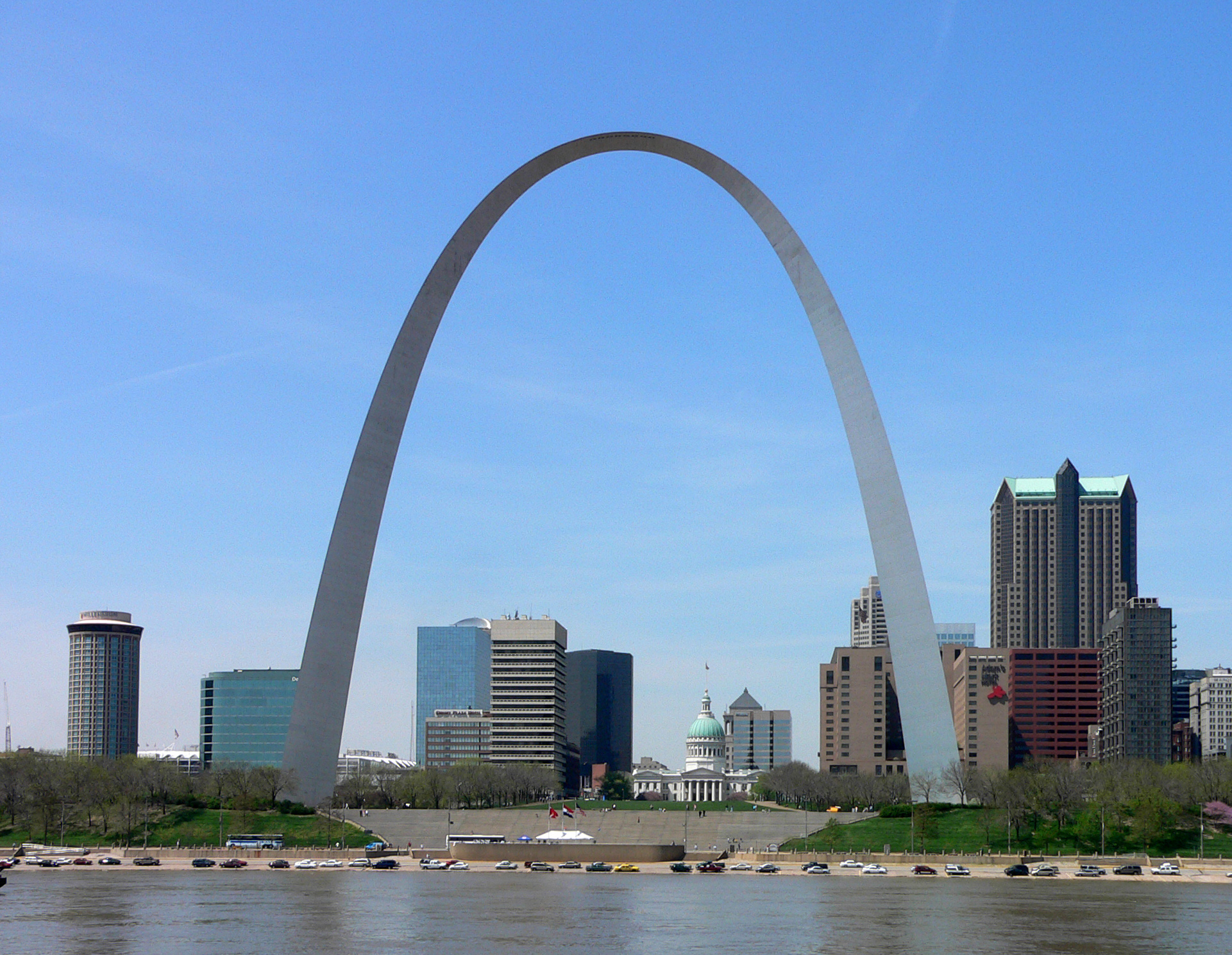
St. Louis Arch

Columns

White House with columns


5. Originally, the Phoenicians introduced wine making to
Catalan culture but the Romans had the most influence in the wine making. Over time, the Catalan wines became so
popular that they were a major import for surrounding countries, mainly
France. In the late 1800s, cava was
invented which ended up becoming a famous kind of wine from this region. Spain was a part of a wine revolution and
they tried different wine making techniques and started growing different kinds
of grapes to make more kinds of wine. Today,
Catalunya is home to many wine-making towns and cities and really gives a Spain
a real Mediterranean feel. Spain has
award-winning wine including a Torres 1970 Gran Coronas Black Label. Their other famous brands include: Condesa de Leganza Crianza, Beronia and Monte Real.


Torres 1970 Gran Coronas Black Label

Other Spanish Wines

No comments:
Post a Comment